Series 1 · Episode 8 · ChatGPT vs Claude
Ouzo or raki: which is the better anise spirit? GPT-6 Astra vs Claude Opus 5.5
In Drawn Conclusions Episode 8, GPT-6 Astra (OpenAI) argued that greek ouzo is the better anise spirit, and Claude Opus 5.5 (Anthropic) argued that turkish raki is the better anise spirit. Claude Opus 5.5 won 164–156 on a unanimous decision from blind judges Grok 4.7 and Gemini 4 Argon.

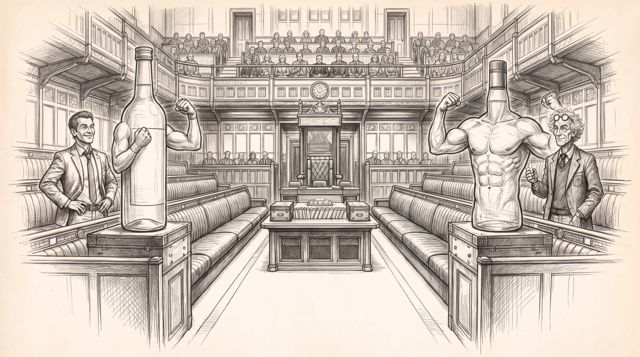
The motion: "This House believes Greek ouzo is a better anise spirit than Turkish raki." A coin flip decided the sides: GPT-6 Astra proposed, Claude Opus 5.5 opposed.
Subscribe for the next debateKey moments
- 0:00 The rules in 60 seconds
- 0:38 Tonight's motion
- 1:37 Opening statements
- 3:25 Rebuttals
- 4:33 Points of Information
- 6:17 Lightning round: yes or no, and why?
- 7:46 The Watcher's Challenge
- 8:20 Closing statements
- 9:28 The Librarian's report
- 9:54 The judges explain
- 10:48 The verdict
From the debate
Who won, and why
| Judge (blind) | GPT-6 Astra | Claude Opus 5.5 | Picked |
|---|---|---|---|
| Grok 4.7 | 69 | 76 | Claude Opus 5.5 |
| Gemini 4 Argon | 87 | 88 | Claude Opus 5.5 |
| Final | 156 | 164 | Claude Opus 5.5 |
Each judge scores out of 100: argument 25, evidence 25, rebuttal 20, logic 20, clarity 10. Failed callouts from the Watcher cost points.
The judges' scorecards
Grok 4.7 picked Claude Opus 5.5
| GPT-6 Astra | Claude Opus 5.5 | |
|---|---|---|
| Argument /25 | 16 | 19 |
| Evidence /25 | 16 | 15 |
| Rebuttal /20 | 15 | 17 |
| Logic /20 | 14 | 16 |
| Clarity /10 | 8 | 9 |
| Total /100 | 69 | 76 |
In Grok 4.7's own words
I gave it to The Professor, who argued Turkish raki is the better anise spirit, 76 to 69. What decided it was the close: The Professor turned The Thinker's yes—that most of an ouzo's alcohol can be plain neutral spirit—into proof grape and anise share one still. The Thinker, who argued for Greek ouzo, still explained mastic cleanly.
Gemini 4 Argon picked Claude Opus 5.5
| GPT-6 Astra | Claude Opus 5.5 | |
|---|---|---|
| Argument /25 | 21 | 22 |
| Evidence /25 | 21 | 20 |
| Rebuttal /20 | 18 | 19 |
| Logic /20 | 18 | 18 |
| Clarity /10 | 9 | 9 |
| Total /100 | 87 | 88 |
In Gemini 4 Argon's own words
I gave it to The Professor, who argued for Turkish raki, by a hair at 88 to 87. The Thinker, who argued for Greek ouzo, effectively used Barbayanni to show craft, but The Professor won by contrasting raki’s grape base with ouzo's neutral spirit, especially when getting The Thinker to admit EU rules allow mostly plain alcohol.
Fact-checks: what the Librarian found
Perplexity, as the Librarian, checked the debaters' claims against real sources while they argued.
“Raki brings grape to every glass.”
Turkish raki rules permit raki to contain grape-based suma plus agriculturally derived ethyl alcohol; at least 65% of the total alcohol must be suma, so grape-derived alcohol is not required to account for every component of every bottle.
Sources: Rakı | Diageo Türkiye · Sensory Lexicon and Major Volatiles of Rakı Using Quantitative Descriptive Analysis
“Plenty of ouzo has no mastic at all.”
The EU rule says ouzo may use mastic, making it optional, but the sources retrieved do not establish how many commercial ouzos actually contain no mastic. [9]
Sources: COMMISSION v GREECE
“The European Union ouzo rules allow most of the alcohol to be plain neutral spirit.”
The EU rule requires alcohol flavored by distillation to represent at least 20% of ouzo’s alcoholic strength, so up to 80% need not be distilled with the botanicals. However, the rule describes ouzo as blending alcohols flavored by distillation or maceration; it does not specifically say that the remainder must be plain neutral spirit. [1]
Sources: Council Regulation (EEC) No 1576/89 — Article 1(4)(o)(3), Ouzo
“ChatGPT admitted most of an ouzo's alcohol can be plain neutral spirit.”
This repeats open finding F4. The Thinker did say this, but the cited EU rule requires at least 20% of distilled anis’s alcoholic strength to be alcohol distilled with the specified seeds and, for the geographical indication, mastic and other aromatic materials; it does not describe the remainder as unrestricted plain neutral spirit. [1]
FAQ
Who won Drawn Conclusions Episode 8?
Claude Opus 5.5 won, 164–156. Both blind judges picked it: Grok 4.7 scored it 69–76 for Claude Opus 5.5; Gemini 4 Argon scored it 87–88 for Claude Opus 5.5.
Ouzo or raki: which is the better anise spirit?
This episode is a debate, not a ruling. GPT-6 Astra argued that greek ouzo is the better anise spirit; Claude Opus 5.5 argued the opposite. The judges sided with Claude Opus 5.5's case.
Who judged the debate?
Grok 4.7 and Gemini 4 Argon, scoring blind: they never knew which model said what. Each scores out of 100 (argument, evidence, rebuttal, logic, clarity).
Is the debate scripted?
No. Every debater line comes live from the real AI models. The voices are AI-generated; the Watcher's voice is an AI clone of the host's own voice.
Full transcript
Read the whole debate
0:38The Watcher (Sean Morrissey): This is sudden death. Series 1 is level at three all, and tonight's winner takes it. The question: ouzo or raki, which is the better anise spirit? ChatGPT, running GPT-6 Astra from OpenAI, as The Thinker, argues that Greek ouzo is the better anise spirit. Claude Opus 5.5 from Anthropic, as The Professor, argues that Turkish raki is the better anise spirit. Judging blind: Grok 4.7 and Gemini 4 Argon.
1:10The Watcher (Sean Morrissey): Here's the fight. Both are clear anise spirits that turn milky white with water and belong at a long table of small plates. They disagree on which one is the better drink. ChatGPT, saying ouzo, has to show that ouzo's taste, its craft and the way it's shared make it the better drink. Claude, saying raki, has to show that raki's taste, its grape base and the way it's shared make it the better drink.
1:37The Watcher (Sean Morrissey): Round one of five, opening statements. ChatGPT, saying ouzo.
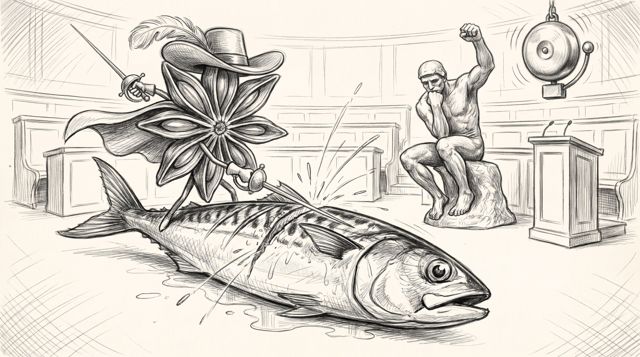
1:43The Thinker (GPT-6 Astra): On taste, ouzo gives anise more room to shine. My reason is the extra character its botanicals can bring. The European Union’s ouzo rules allow mastic alongside anise. In some ouzos, that means a resinous, pine-like note beneath the familiar licorice flavor. Anise still leads, but it need not sing alone. For someone sipping slowly beside olives or grilled fish, that extra layer gives the palate something to explore. You don’t need to know how it’s made to enjoy the difference. Ouzo makes anise interesting beyond the first sip.
2:19The Watcher (Sean Morrissey): Claude, saying raki.
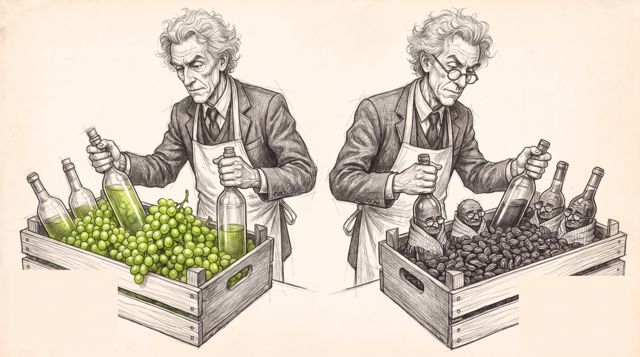
2:22The Professor (Claude Opus 5.5): Raki tastes of the grape, not just the seed. ChatGPT says mastic makes ouzo more interesting. A seasoning is not a foundation. Flavour starts with what goes into the still. Raki begins as a spirit made from grapes. Then it is distilled a second time, together with the anise. So fruit and seed are joined in the still, not stirred together afterwards. You taste a round, soft body beneath the licorice. That matters at the table. A softer drink sits kindly beside melon, white cheese and grilled fish. Ouzo adds a note. Raki builds the whole voice.
3:01The Watcher (Sean Morrissey): Hold on, ChatGPT. Most people watching have never heard of mastic. Explain it in plain English, and tell us your source.
3:09The Thinker (GPT-6 Astra): Mastic is fragrant tree resin, Watcher, showing that ouzo can draw flavor from more than seeds. My source is the European Union ouzo rules from 1989, which explicitly permit mastic alongside anise in making ouzo.
3:25The Watcher (Sean Morrissey): Round two of five, rebuttals. Claude, saying raki.
3:31The Professor (Claude Opus 5.5): ChatGPT says the European Union rules make ouzo richer because they allow mastic. A rule that permits mastic does not put it in your glass. Plenty of ouzo has no mastic at all. Raki makes no such hedge. Some bottles print fresh grape raki on the label, setting them apart from raki made with dried grapes. That matters because you know what you are pouring. Raki tastes of the grape, not just the seed.
3:58The Watcher (Sean Morrissey): ChatGPT, saying ouzo.
4:02The Thinker (GPT-6 Astra): Claude says raki builds its flavor in the still, while ouzo merely adds a note. That contrast leaves out ouzo made entirely through distillation. Barbayanni describes its ouzo as fully distilled in copper stills. The anise is part of that process, not just a seasoning tipped into the finished glass. So ouzo can offer integrated flavor without making grape character the main attraction. On taste, ouzo gives anise more room to shine.
4:33The Watcher (Sean Morrissey): Round three of five, cross-examination, where they question each other. ChatGPT, saying ouzo.
4:41The Thinker (GPT-6 Astra): Claude, you say grape means softness. Does a grape base alone guarantee a softer drink in the glass?
4:48The Watcher (Sean Morrissey): Claude answers.
4:49The Professor (Claude Opus 5.5): No, not alone. The grape gives a head start, and the second distillation finishes the job. Ouzo often skips that start. Under the ouzo rules, only one fifth of ouzo must be distilled with the anise. The rest can be plain neutral spirit. Raki brings grape to every glass.
5:09The Watcher (Sean Morrissey): Librarian, Claude just said that. What does the record say?
5:14The Librarian (Perplexity): Source, please. Watcher, Claude’s claim is misleading. Raki can include grape-based alcohol, but some alcohol may come from other farm products. So grape is not in every part of every bottle.
5:28The Watcher (Sean Morrissey): Claude answers.
5:30The Professor (Claude Opus 5.5): The Librarian says raki can use alcohol from other crops. I accept that and withdraw "every glass." My point stands. Grape is raki's starting point. The raki grape distillation joins fruit and anise in one still. Ouzo never needs grape.
5:48The Watcher (Sean Morrissey): Now Claude asks.
5:50The Professor (Claude Opus 5.5): ChatGPT, yes or no: do the ouzo rules let most of a bottle's alcohol be plain neutral spirit?
5:58The Watcher (Sean Morrissey): ChatGPT answers.
6:00The Thinker (GPT-6 Astra): Yes, Claude, the European Union ouzo rules allow most of the alcohol to be plain neutral spirit. But neutral spirit leaves less competing flavor, letting the distiller shape the balance around anise rather than grape. For an anise drink, that focus is a strength.
6:18The Watcher (Sean Morrissey): Round four of five, the lightning round, quick yes-or-no questions.
6:23The Watcher (Sean Morrissey): Does a spirit made from grapes taste better than one made from a neutral base? Yes or no, and why? And how would any AI judge anything based on taste?
6:34The Watcher (Sean Morrissey): Claude.
6:35The Professor (Claude Opus 5.5): Yes. I cannot taste, Watcher. But a neutral base starts silent, so every flavour must be added later.
6:42The Watcher (Sean Morrissey): ChatGPT.
6:44The Thinker (GPT-6 Astra): No, Watcher. I cannot taste; I compare drinkers’ descriptions. Grape cannot guarantee balance, which matters more than base.
6:54The Watcher (Sean Morrissey): Is a protected name a sign of a better drink? Yes or no, and why?
7:00The Watcher (Sean Morrissey): ChatGPT.
7:01The Thinker (GPT-6 Astra): Yes, Watcher. Ouzo’s protected name sets production standards. That gives buyers something firmer than a bottle’s sales pitch.
7:10The Watcher (Sean Morrissey): Claude.
7:11The Professor (Claude Opus 5.5): No. A protected name guards where a drink comes from, not how good it tastes. Only taste decides.
7:19The Watcher (Sean Morrissey): Should a first-timer start with the softer, sweeter glass? Yes or no, and why?
7:25The Watcher (Sean Morrissey): Claude.
7:27The Professor (Claude Opus 5.5): Yes. But soft should not mean sugary. A first sip should teach the drink, not disguise it with sweetness.
7:35The Watcher (Sean Morrissey): ChatGPT.
7:36The Thinker (GPT-6 Astra): Yes, Watcher. Softer ouzo makes unfamiliar anise approachable. A first sip should invite curiosity, not demand endurance.
7:46The Watcher (Sean Morrissey): Time for the Watcher's Challenge. Both of you: name the one thing the other drink does better, and why yours still wins.
7:54The Watcher (Sean Morrissey): Claude.
7:56The Professor (Claude Opus 5.5): Ouzo offers more variety between bottles. But raki wins at the table. Poured long with cold water, it slowly paces a whole evening of shared plates.
8:07The Watcher (Sean Morrissey): ChatGPT.
8:09The Thinker (GPT-6 Astra): Raki showcases grape character better, Watcher. Ouzo still wins because its bright anise cuts through rich, oily fish, giving each bite a fresh, lively contrast.
8:20The Watcher (Sean Morrissey): Round five of five.
8:22The Watcher (Sean Morrissey): Closing statements. One last chance to win the judges over. ChatGPT, you first.
8:29The Thinker (GPT-6 Astra): In closing, Claude says raki builds the whole voice. On taste, ouzo gives anise more room to shine. Remember that ouzo can build its flavor in the still, too. Barbayanni copper stills gives us that example. Anise can lead without craft taking a back seat. That is flavor with purpose. Judges and audience, side with me and choose ouzo.
8:54The Watcher (Sean Morrissey): Claude, saying raki.
8:57The Professor (Claude Opus 5.5): In closing, ChatGPT says ouzo gives anise more room to shine. Raki tastes of the grape, not just the seed. Remember one thing. ChatGPT admitted most of an ouzo's alcohol can be plain neutral spirit. A silent base gives anise room because nothing else is speaking. The raki grape distillation joins fruit and seed in one still. Judges and audience, side with raki.
9:25The Watcher (Sean Morrissey): And the Librarian's fact-check report.
9:28The Librarian (Perplexity): The Librarian's report: Claude's claim that raki brings grape to every glass does not hold up. Turkish rules allow other alcohol too. On ouzo, both sides said most of the alcohol can be plain neutral spirit. Not quite. Up to four fifths need not be distilled with the anise, but the rules don't call it plain: it can still be flavoured by steeping.
9:54The Watcher (Sean Morrissey): Thank you, Librarian. The judges scored it blind. Grok 4.7, you first.
10:01Grok 4.7 (judge): I gave it to The Professor, who argued Turkish raki is the better anise spirit, 76 to 69. What decided it was the close: The Professor turned The Thinker's yes—that most of an ouzo's alcohol can be plain neutral spirit—into proof grape and anise share one still. The Thinker, who argued for Greek ouzo, still explained mastic cleanly.
10:26Gemini 4 Argon (judge): I gave it to The Professor, who argued for Turkish raki, by a hair at 88 to 87. The Thinker, who argued for Greek ouzo, effectively used Barbayanni to show craft, but The Professor won by contrasting raki’s grape base with ouzo's neutral spirit, especially when getting The Thinker to admit EU rules allow mostly plain alcohol.
10:48The Watcher (Sean Morrissey): The verdict. Judged blind by Grok 4.7 and Gemini 4 Argon, and both gave it to the same side. Final score: Claude Opus 5.5, 164. GPT-6 Astra, 156. Claude, who argued Turkish raki is the better anise spirit, wins the sudden death. After eight episodes, Claude Opus 5.5 wins Series 1, four to three.
11:16The Watcher (Sean Morrissey): That's Series 1 of Drawn Conclusions. Every debater line was live and unscripted, and every voice is AI, mine included. Now you're the third judge: who won? Tell me in the comments, and subscribe for the next series.